
Mechanical loads
Required strength, stiffness and toughness, together with static loads, shocks and vibration. We consider the loading conditions that determine the component's design.
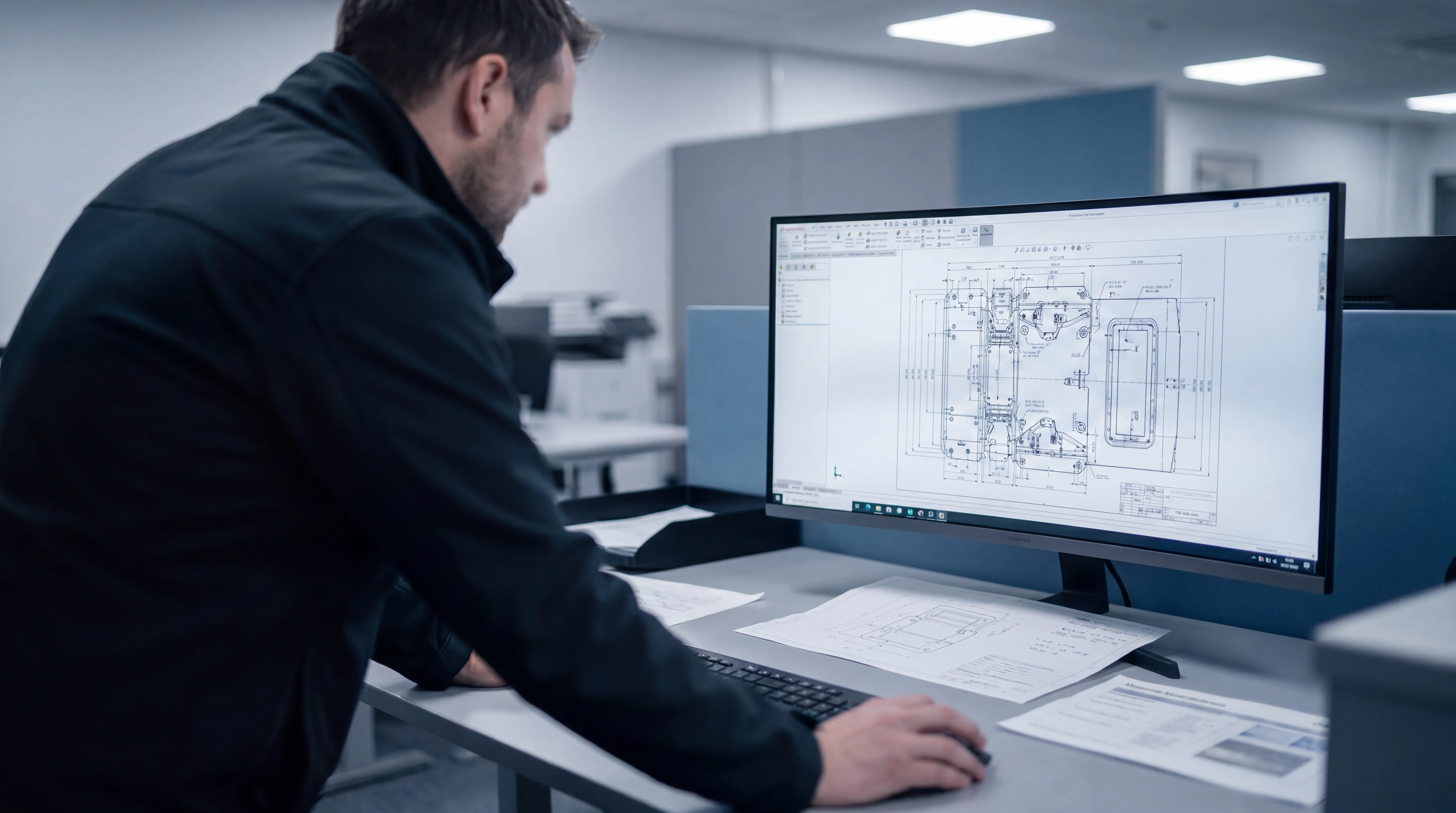

We develop lightweight structures, engineering plastic components and complete assemblies for the defence industry. We combine the HINTSTEINER Group’s know-how from over 45 years with our own development and manufacturing expertise. Our experience helps us assess suitable materials, design approaches and manufacturing processes early on. We coordinate these decisions from the outset — for a solution that meets your requirements, through to the fully assembled unit.
A clear specification is the starting point for development. Together, we define the conditions your component must meet. This gives material selection, design and subsequent testing a shared basis.
Required strength, stiffness and toughness, together with static loads, shocks and vibration. We consider the loading conditions that determine the component's design.
Temperature changes, moisture, corrosion and chemical exposure. These conditions define the resistance needed for the intended environment.
The component's task, available installation space and interfaces with the surrounding system. Electrical requirements are included where relevant.
Target weight, manufacturing constraints and applicable specifications. These targets help balance technical performance with a component that can be produced economically.

Fibre composites, engineering plastics, resins and elastomers offer different ways to meet your requirements. We compare the relevant material families against the agreed specification, including their processing characteristics. The overview below shows their main properties and typical uses, helping you discuss the options for your component.
Ten material families, their main properties and typical applications. We use your component specification to narrow down the options.
| Material | Relevant properties | Typical applications | What matters for selection |
|---|---|---|---|
| GFK / GFRPGlass fibre reinforced plastic | Strength, stiffness and corrosion resistance. | Vehicle attachments and structural components. | Match fibre reinforcement and resin to the loads and environment. |
| CFK / CFRPCarbon fibre reinforced plastic | High strength and stiffness at low weight. | Weight-critical structural and lightweight components. | Consider weight, stiffness and component geometry together. |
| AFK / AFRPAramid fibre reinforced plastic | High tensile strength and heat resistance. | Protective structures and vehicle reinforcements. | Define the protection requirements and evidence for the complete structure. |
| Zylon / PBOHigh-performance PBO fibre | Very high tensile strength and thermal stability. | High-performance composites and protective applications. | Account for sensitivity to UV light and moisture. |
| PEEKPolyether ether ketone | High temperature and chemical resistance, strength and stiffness. | Technical components for demanding operating conditions. | Select the material grade and processing route for the application. |
| PUR / PUPolyurethane | Available as foam, elastomer or solid material. | Seals, padding, protective coatings and potting. | Choose the formulation for the function; not every variant is structural. |
| EPEpoxy resin | Strength, stiffness, adhesion and chemical resistance. | Composite matrices, adhesive bonds and coatings. | Coordinate resin, reinforcement and intended processing. |
| PCPolycarbonate | High impact toughness and optical clarity. | Transparent and impact-resistant components. | Material properties alone do not establish a protection rating. |
| PAPolyamide | Abrasion resistance and good mechanical properties. | Gears, bearings and fasteners. | Specify the grade for the operating and mechanical requirements. |
| PolyureaElastomeric coating material | Rapid curing, flexibility, impact and abrasion resistance. | Protective coatings for vehicles and protective structures. | Agree the substrate and required surface properties. |
This overview compares material families. The exact material grade, design and required qualification are defined for your application.
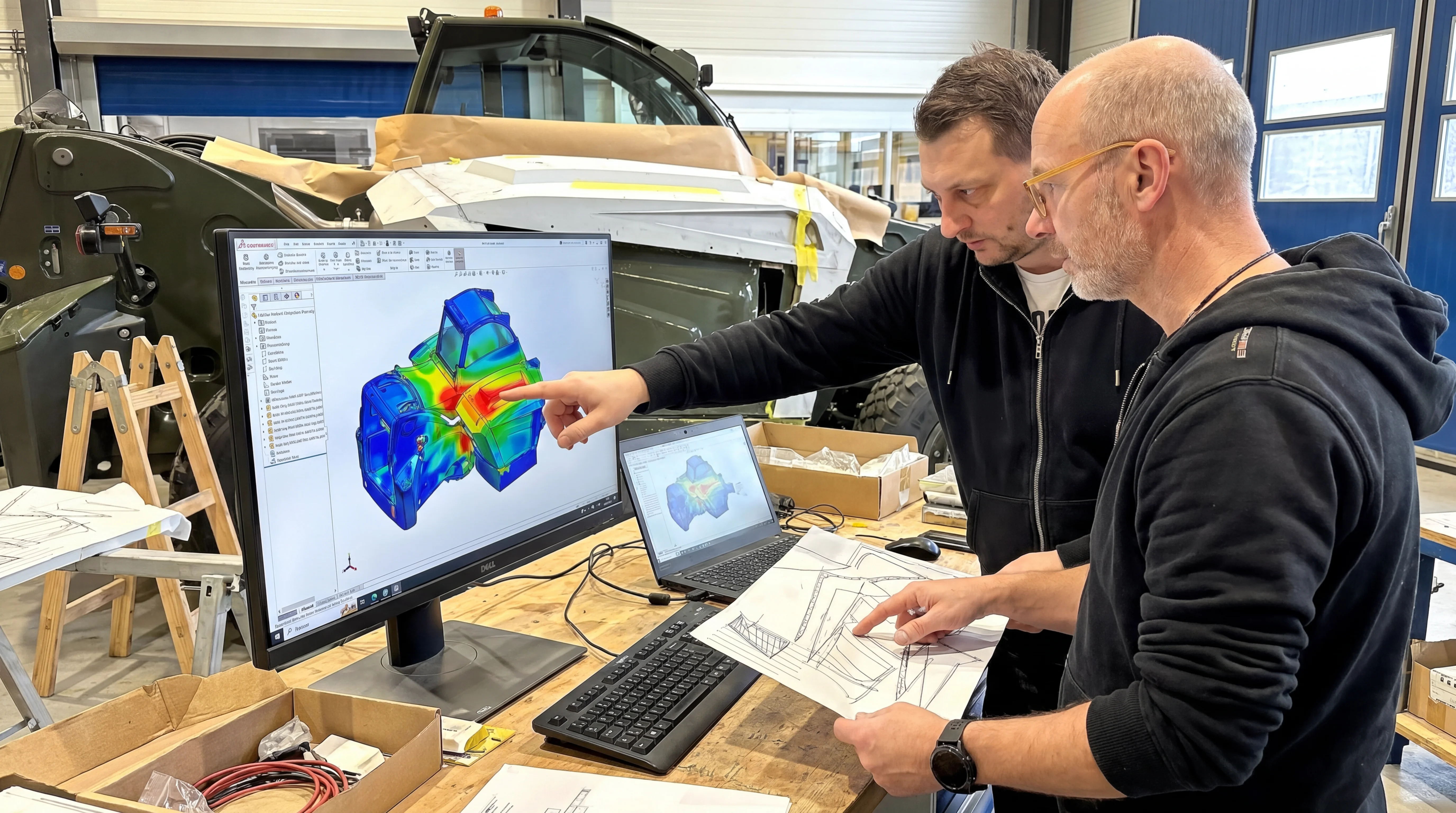
Wall thickness must carry the required loads without unnecessary material. Radii and smooth transitions help reduce stress concentrations, while machining allowances provide room to achieve the specified tolerances and surface finish. We consider these details together with the manufacturing process, balancing component function, weight and production effort.
Before series production, the development results are brought together in the final component configuration. The focus shifts to a repeatable, economical manufacturing process.
Align the final geometry with the specified function, reliability and applicable standards, together with the requirements of the manufacturing process.
Review material usage and machining allowances to limit avoidable waste while retaining the room needed for manufacture and finishing.
Select suitable production methods and consider automation where appropriate to support consistent and economical manufacture.
We develop structural parts, engineering plastic components and complete assemblies. This includes clarifying requirements, selecting materials, designing components and coordinating subsequent manufacturing and assembly. We agree the development and supply scope with you.
No. A description of your task and the requirements already available are enough for an initial discussion. Together, we clarify what further information is needed for development. Existing drawings, samples or models are helpful, but are not a prerequisite for first contact.
Our extensive experience with military applications helps us narrow down suitable materials very early. We know which plastics and fibre composites have proven effective under typical military loads and operating conditions, and which processing, verification and integration requirements must be considered.
We consider customer-specific specifications, existing material documentation and material approvals early in the selection process. We assess how far existing approvals apply to the intended application.
We consider function, loads, available installation space, interfaces, weight and manufacturability together. Our experience helps us select suitable design approaches and account for subsequent assembly during development.
Yes. Existing components, drawings or models can provide the starting point. We assess which changes to material, design or manufacturing make sense — for example to reduce weight, adapt to changed operating conditions or simplify assembly.
Yes. We undertake development, manufacturing and the agreed assembly work. Tooling and prototypes support implementation. You receive the complete assembly, fully assembled and painted, within the agreed supply scope.
We develop structural parts, engineering plastic components and complete assemblies. This includes clarifying requirements, selecting materials, designing components and coordinating subsequent manufacturing and assembly. We agree the development and supply scope with you.
No. A description of your task and the requirements already available are enough for an initial discussion. Together, we clarify what further information is needed for development. Existing drawings, samples or models are helpful, but are not a prerequisite for first contact.
Our extensive experience with military applications helps us narrow down suitable materials very early. We know which plastics and fibre composites have proven effective under typical military loads and operating conditions, and which processing, verification and integration requirements must be considered.
We consider customer-specific specifications, existing material documentation and material approvals early in the selection process. We assess how far existing approvals apply to the intended application.
We consider function, loads, available installation space, interfaces, weight and manufacturability together. Our experience helps us select suitable design approaches and account for subsequent assembly during development.
Our development work draws on the HINTSTEINER Group’s knowledge. You benefit from informed decisions and development that brings manufacturing, assembly and application together from the start.
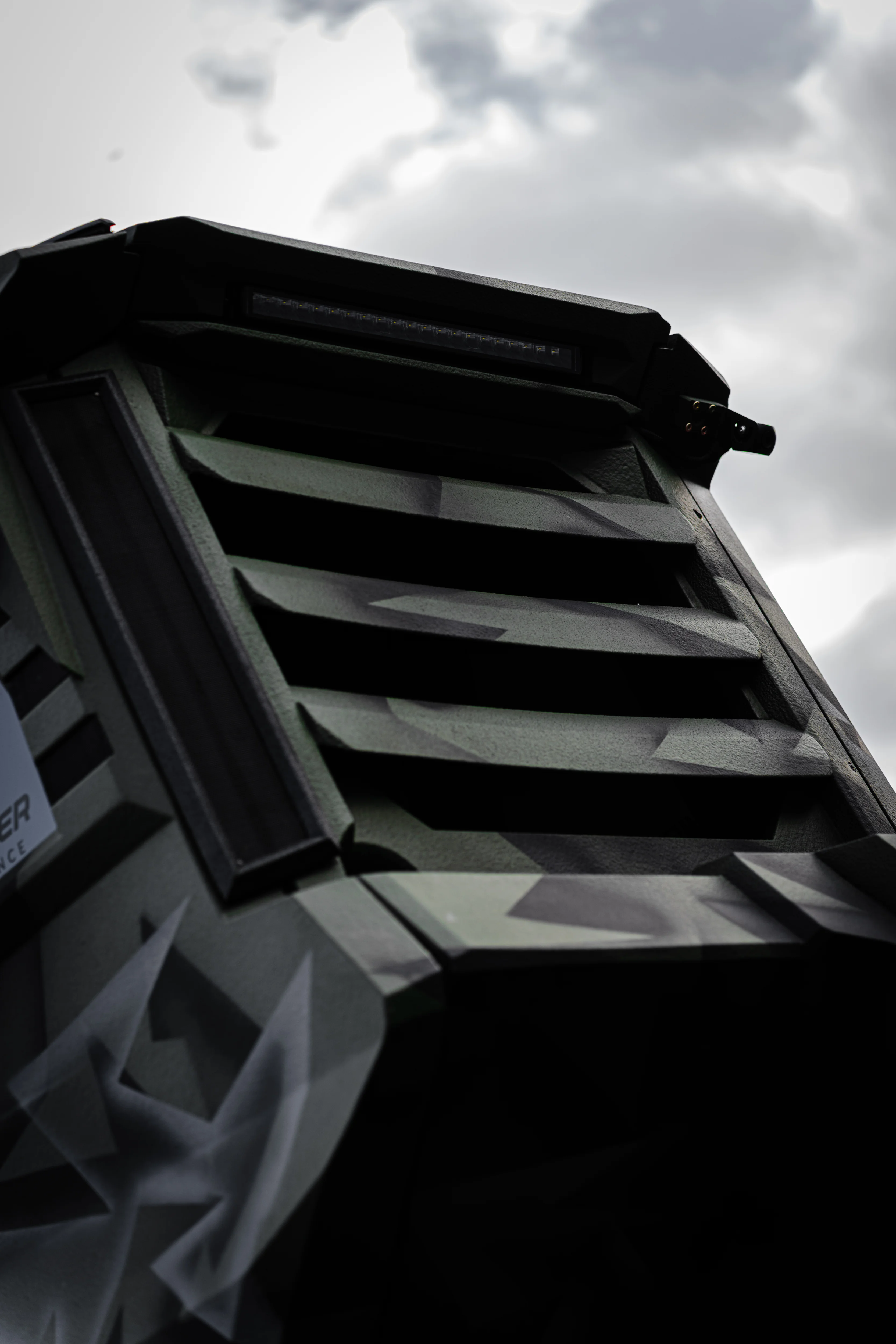
Discuss your development task with us. The details below help us understand the component and prepare the next technical discussion.
Discuss your application ↗Include the information already available.
A drawing, a sample or a description of the component and its interfaces.
Installation space, operating conditions, loads and the target weight.
Project status, required quantity and the date you are working towards.
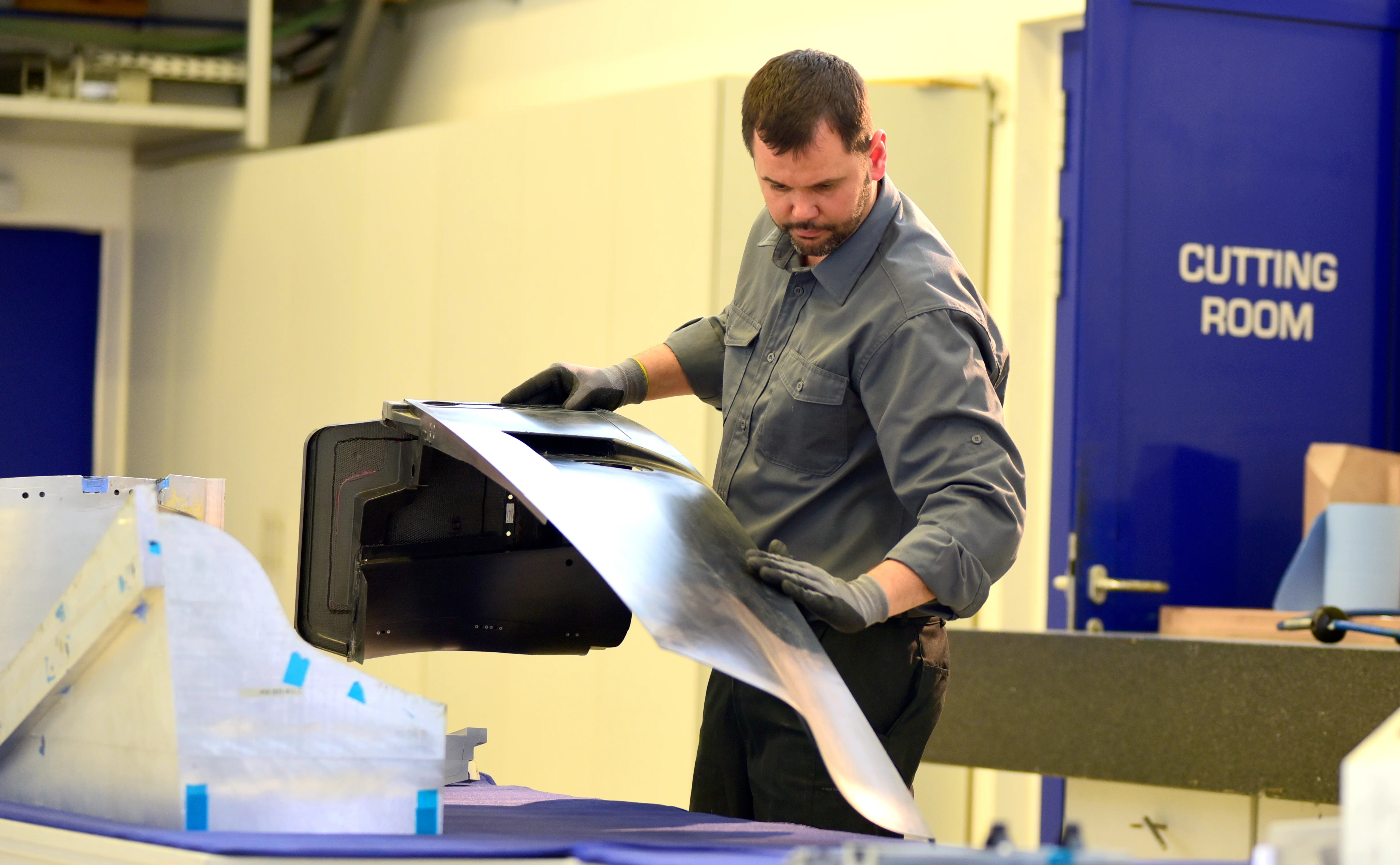
Turn the concept into a physical component with prototype construction and tooling.
Explore service
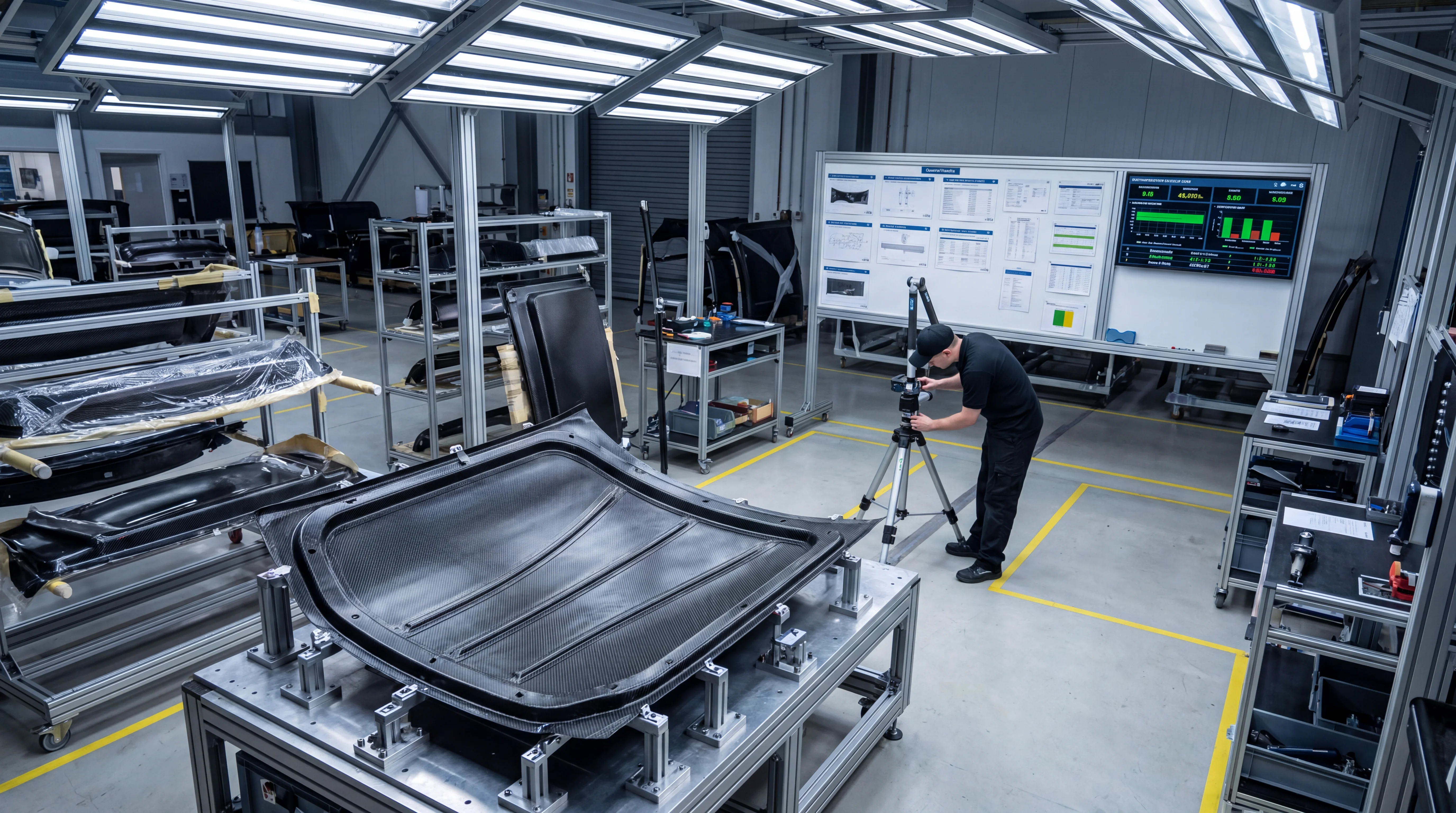
Continue into composite manufacturing, assembly and surface finishing.
Explore service

Explore repair and refurbishment for plastic and fibre composite components.
Explore service