
Lightweight and structural parts
Weight-optimised structural parts for applications where high strength, stiffness, low weight and minimal thermal expansion are crucial.
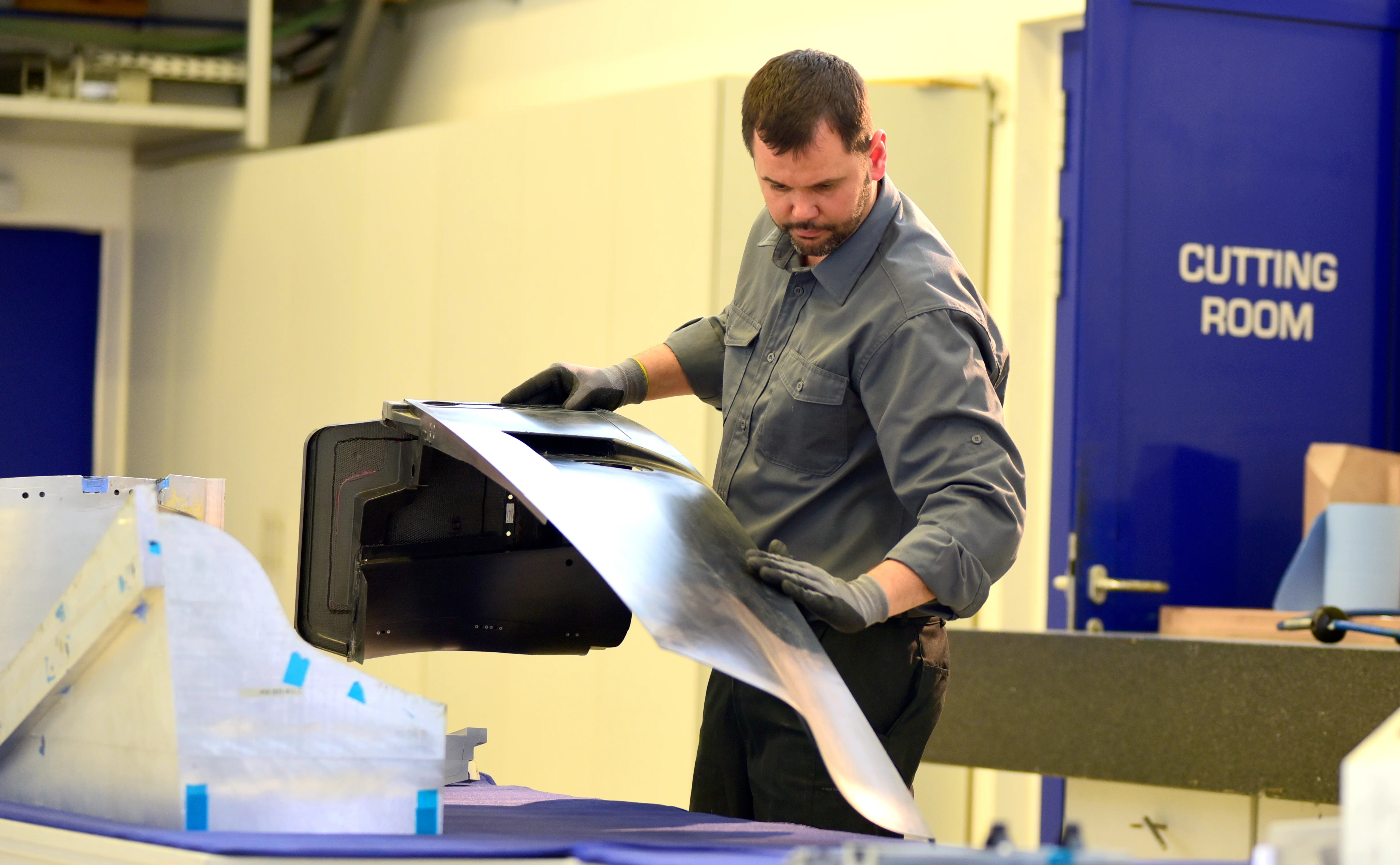
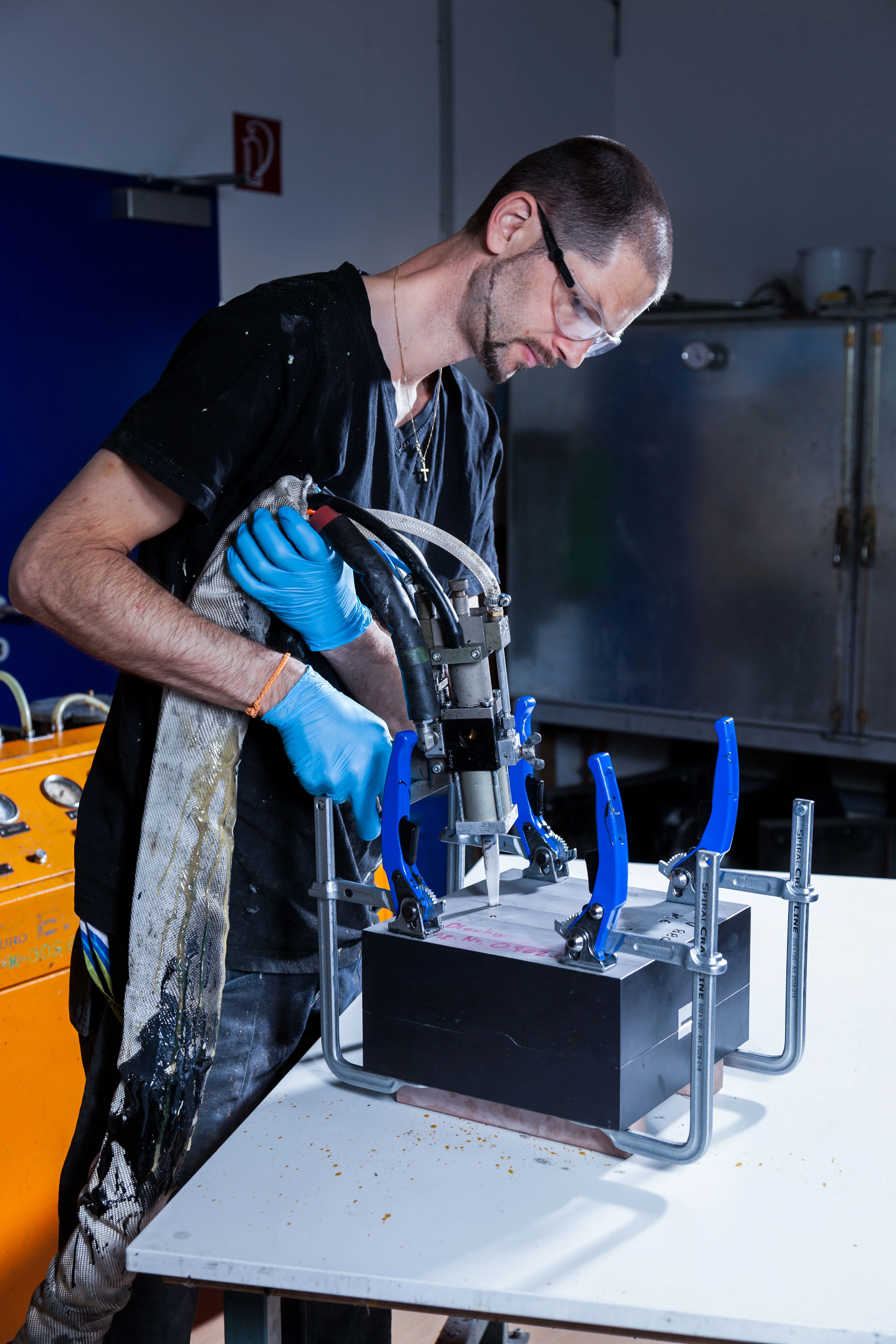
We manufacture lightweight and structural parts as well as engineering plastic components for military applications. Materials, design and manufacturing processes are coordinated from the outset. With our own development and manufacturing capabilities, we take responsibility from the technical concept through to a component ready for series production.
We manufacture lightweight and structural parts as well as engineering plastic components for military systems. Materials, design and manufacturing processes are matched to the application and the required operating conditions.
Weight-optimised structural parts for applications where high strength, stiffness, low weight and minimal thermal expansion are crucial.
Components made from engineering plastics and fibre composites, matched to function, loads, environment and interfaces.
On request, individual components are integrated into complete assemblies and supplied in the agreed delivery condition.
Materials, design and manufacturing processes are matched to the military application. Function, loads, weight, operating conditions and the required quantity determine the choice.
| Process | Application | Your benefit |
|---|---|---|
| Fibre composite manufacturing | Manufacturing CFRP, GFRP and other composite parts. | High strength and stiffness with low weight and minimal thermal expansion. |
| Engineering plastics | Manufacturing functional plastic components for demanding loads. | Materials specifically matched to loads, temperature, environment and function. |
| CNC machining | Precision machining of plastics, composites and other materials. | High dimensional accuracy for interfaces, functional surfaces and assembly. |
| Moulding and casting technologies | Manufacturing complex moulded parts and functional components. | Design freedom for application-specific geometries. |
| Bonding and joining | Joining different materials and components. | Integration into functional structures and assemblies designed for the required loads. |
| Military coating and paintwork | Painting and coating to the requirements of the military application. | Surface protection with coordinated colour, camouflage and functional requirements. |
| Assembly | Combining manufactured components into a complete unit. | You receive a fully assembled unit in the agreed delivery condition. |
The appropriate manufacturing process is considered during development. We use prototypes and tooling where they are needed for technical validation and industrialisation.
A good design must function reliably and be reproducible and economical to manufacture. We therefore coordinate tooling concepts, manufacturing processes and assembly with planned quantities and technical requirements during development.
Tools, fixtures and manufacturing workflows are developed to suit the component, material and planned quantity.
Initial components and pre-series parts are used to validate geometry, interfaces, manufacturing processes and quality.
Following successful validation, processes, inspections and assembly workflows are defined for reproducible manufacturing.
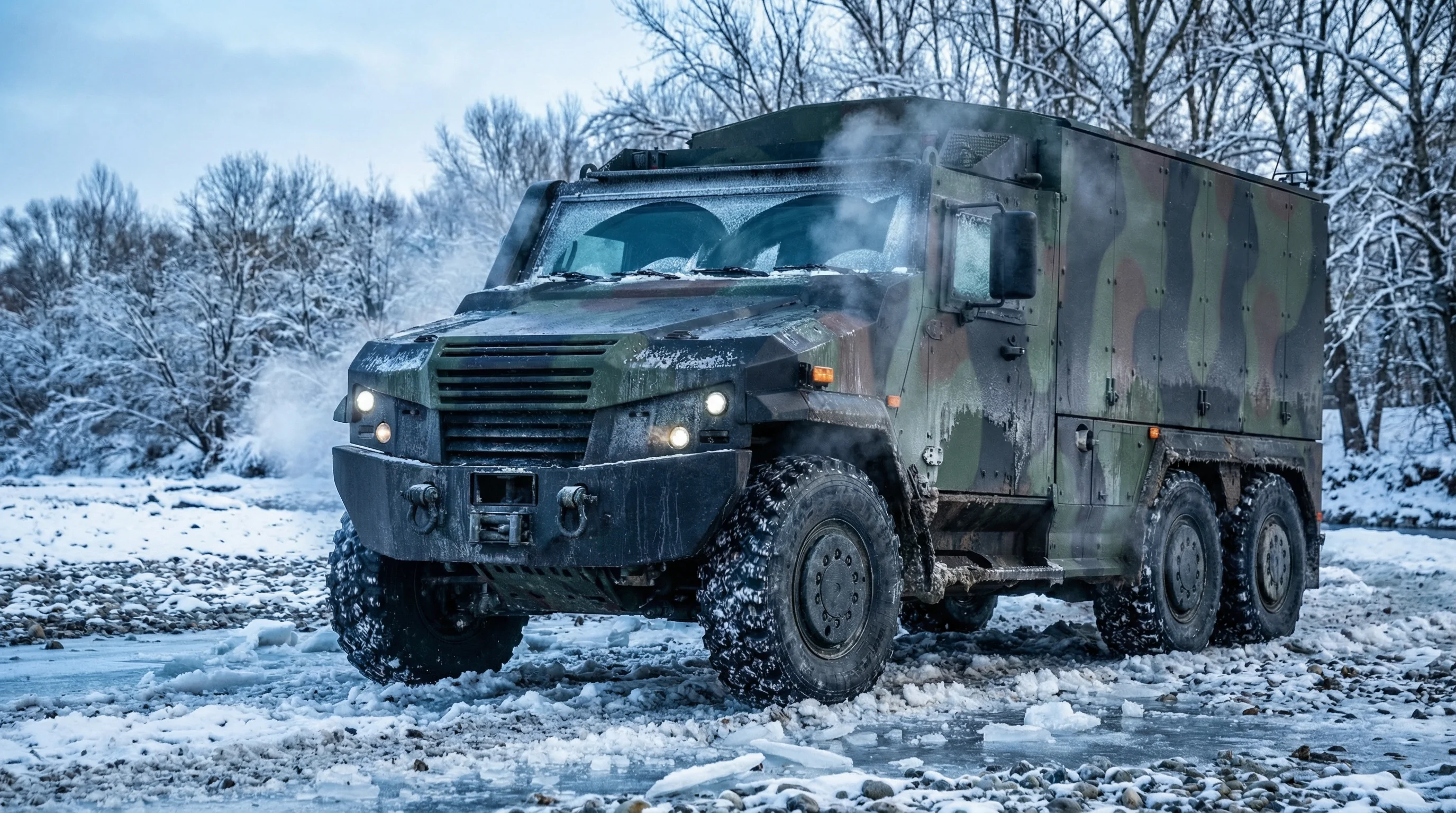
Components and assemblies must perform reliably even under demanding operating conditions. Depending on the application, we consider mechanical loads, vibration and shock, temperature changes, moisture, corrosion and other environmental influences. The test scope, required evidence and acceptance criteria are defined for each project and considered during development and industrialisation.
No. A task description, available requirements, an existing component or initial drawings are enough to get started. Our engineering team works with you to develop the right technical solution.
We select materials for each application, considering function, loads, operating conditions, weight, manufacturing and existing material approvals. Our focus is on engineering plastics and fibre composites.
Yes. We assess existing designs in terms of function, loads, installation space and interfaces and, where technically appropriate, develop weight-optimised solutions made from plastics or fibre composites.
Yes. Relevant requirements for loads, environmental conditions, interfaces, materials, testing and acceptance are included in development as early as possible.
Yes. In addition to development and manufacturing, we undertake assembly integration. You receive the unit fully assembled and painted in the agreed delivery condition.
Yes. Tooling concepts, manufacturing processes, inspections and assembly are designed for reproducible manufacturing in line with technical requirements and planned quantities.
Development and manufacturing work directly together. Design, material selection, manufacturability and assembly are considered together from the outset. This helps identify technical risks early and develop solutions efficiently through to the finished assembly.
No. A task description, available requirements, an existing component or initial drawings are enough to get started. Our engineering team works with you to develop the right technical solution.
We select materials for each application, considering function, loads, operating conditions, weight, manufacturing and existing material approvals. Our focus is on engineering plastics and fibre composites.
Yes. We assess existing designs in terms of function, loads, installation space and interfaces and, where technically appropriate, develop weight-optimised solutions made from plastics or fibre composites.
Yes. Relevant requirements for loads, environmental conditions, interfaces, materials, testing and acceptance are included in development as early as possible.
Yes. In addition to development and manufacturing, we undertake assembly integration. You receive the unit fully assembled and painted in the agreed delivery condition.
Yes. Tooling concepts, manufacturing processes, inspections and assembly are designed for reproducible manufacturing in line with technical requirements and planned quantities.
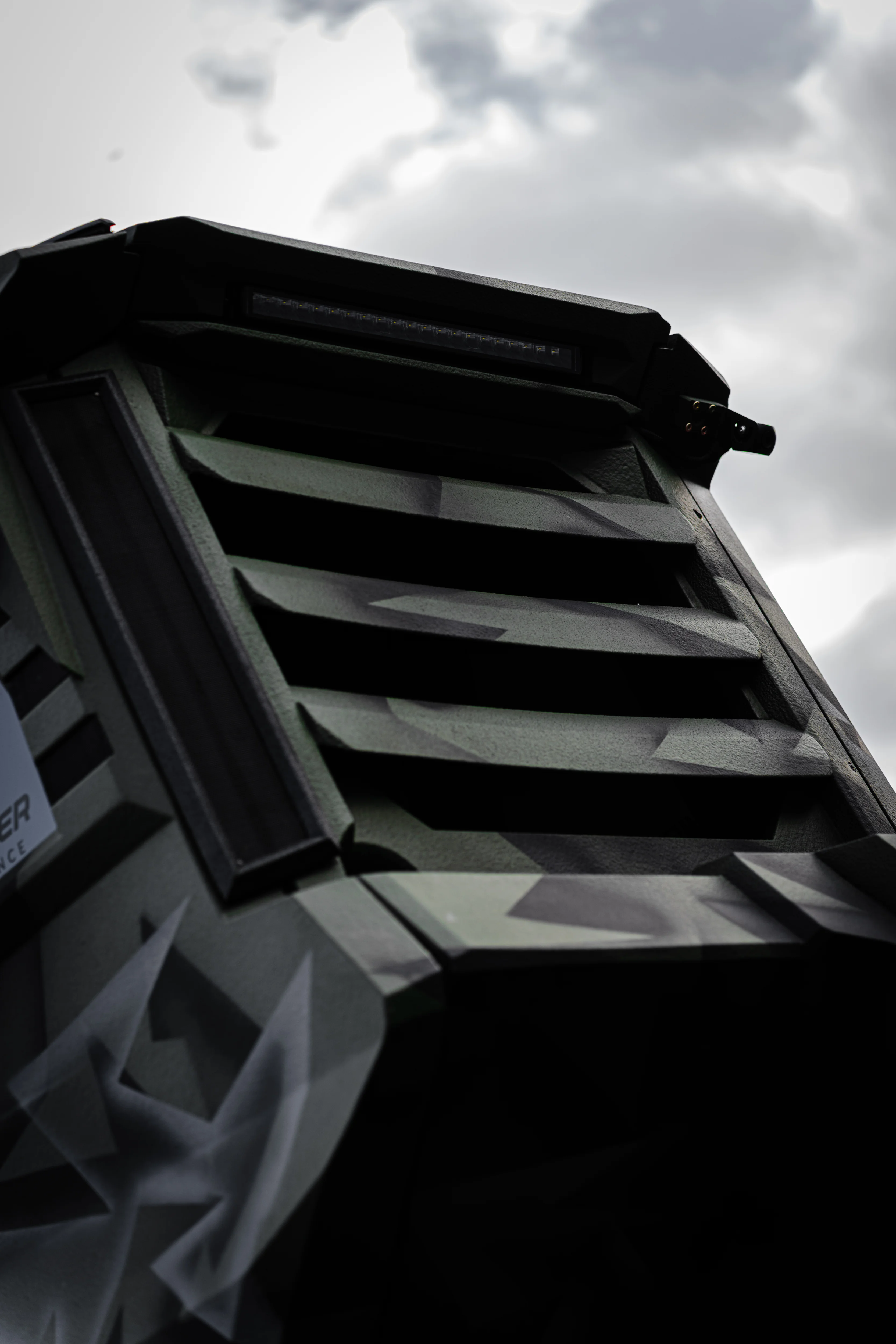
Tell us what your component needs to do. The details below help us define manufacturing and the next step.
Discuss your application ↗Include the information already available.
CAD data, drawing or concept, with installation space and interfaces.
Required material behaviour and the function or test to be assessed.
Number of parts, project status and the required date.
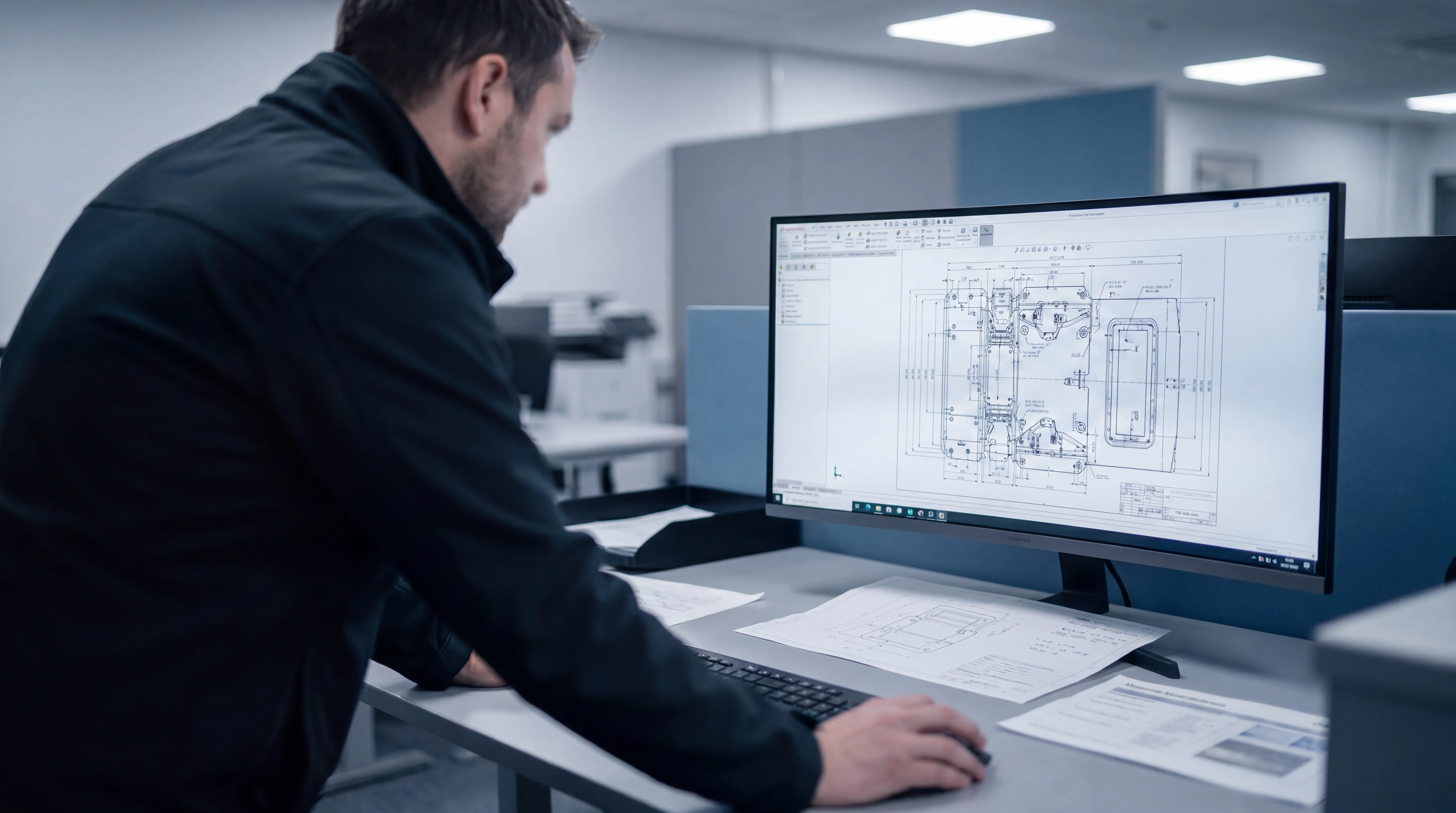
Carbon composite engineering for military applications where weight, strength and the available installation space have to work together.
Explore service
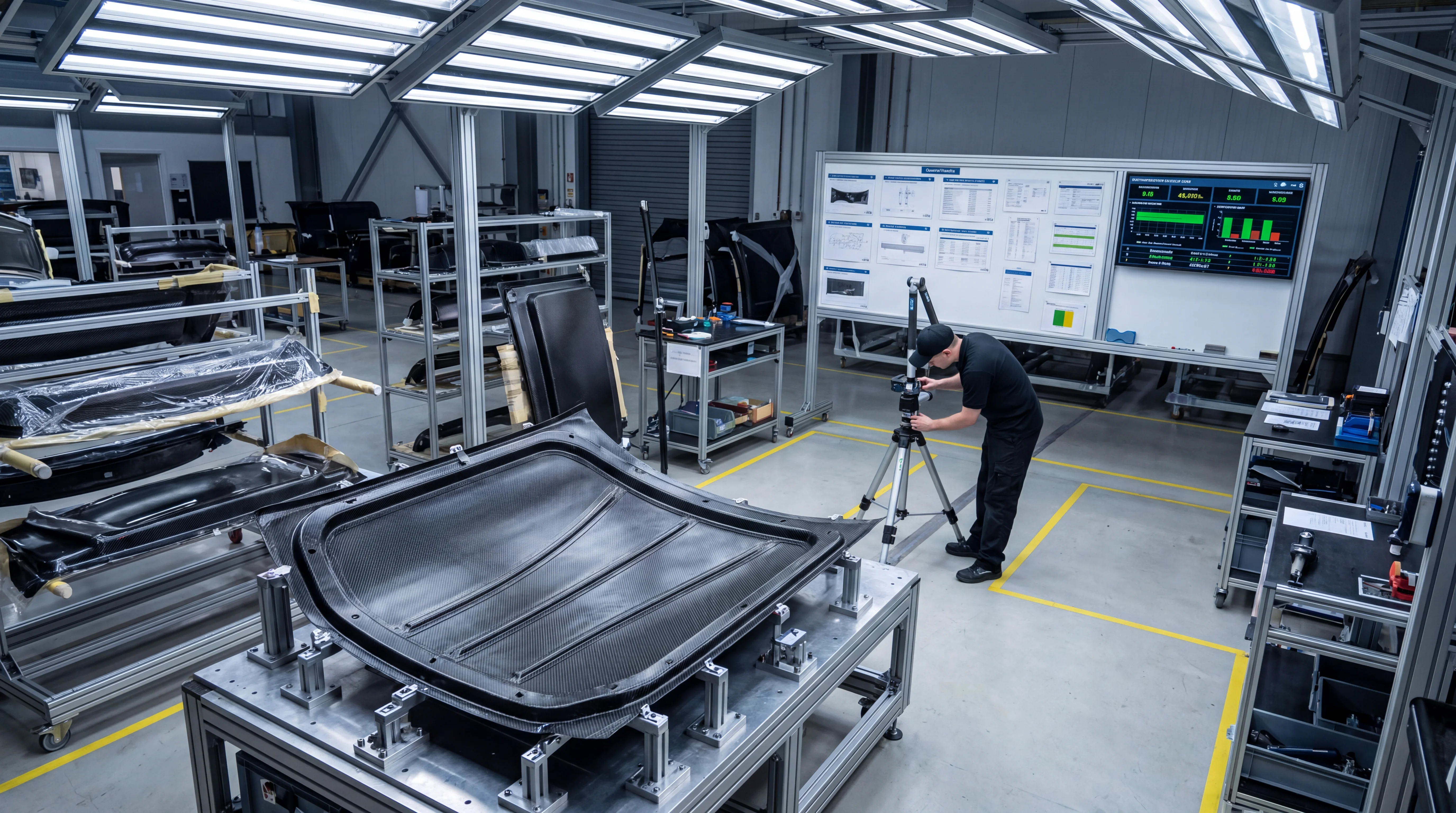
Lightweight composite components, assembly and surface finishing within a connected manufacturing service.
Explore service
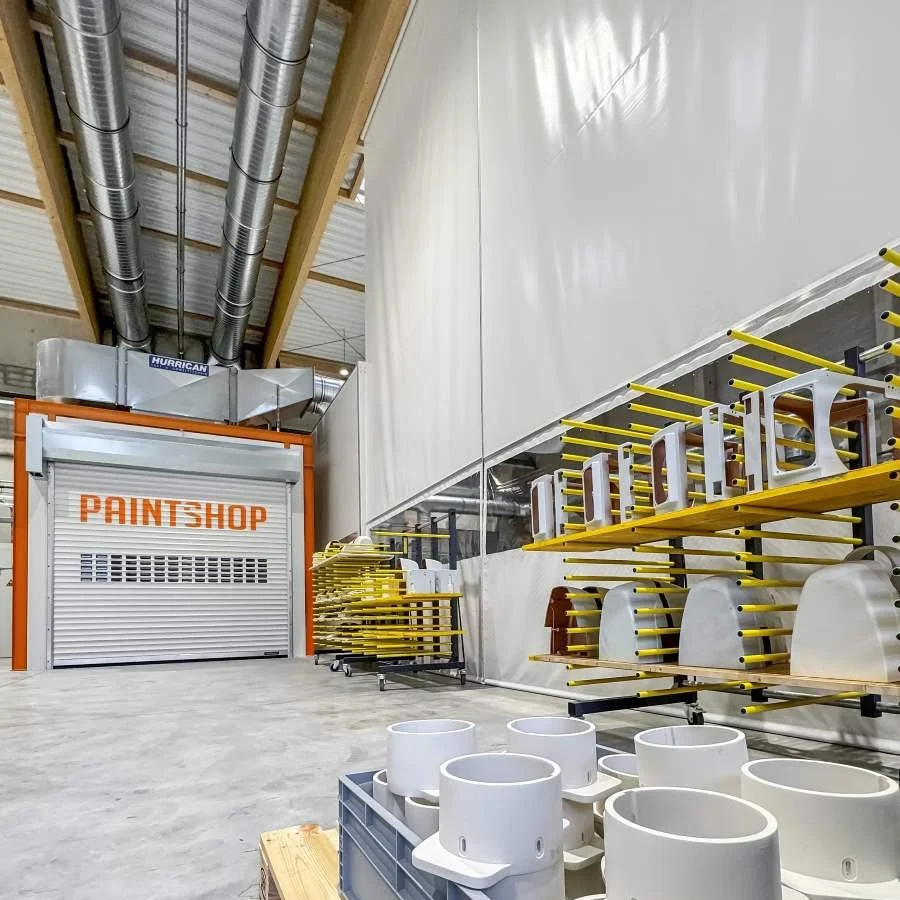
Paintwork and coating within a service range that also covers component production, assembly and repair.
Explore service