
Polyurea system
Hi2One provides the coating basis. Reinforcement can form part of the specified layer build-up.
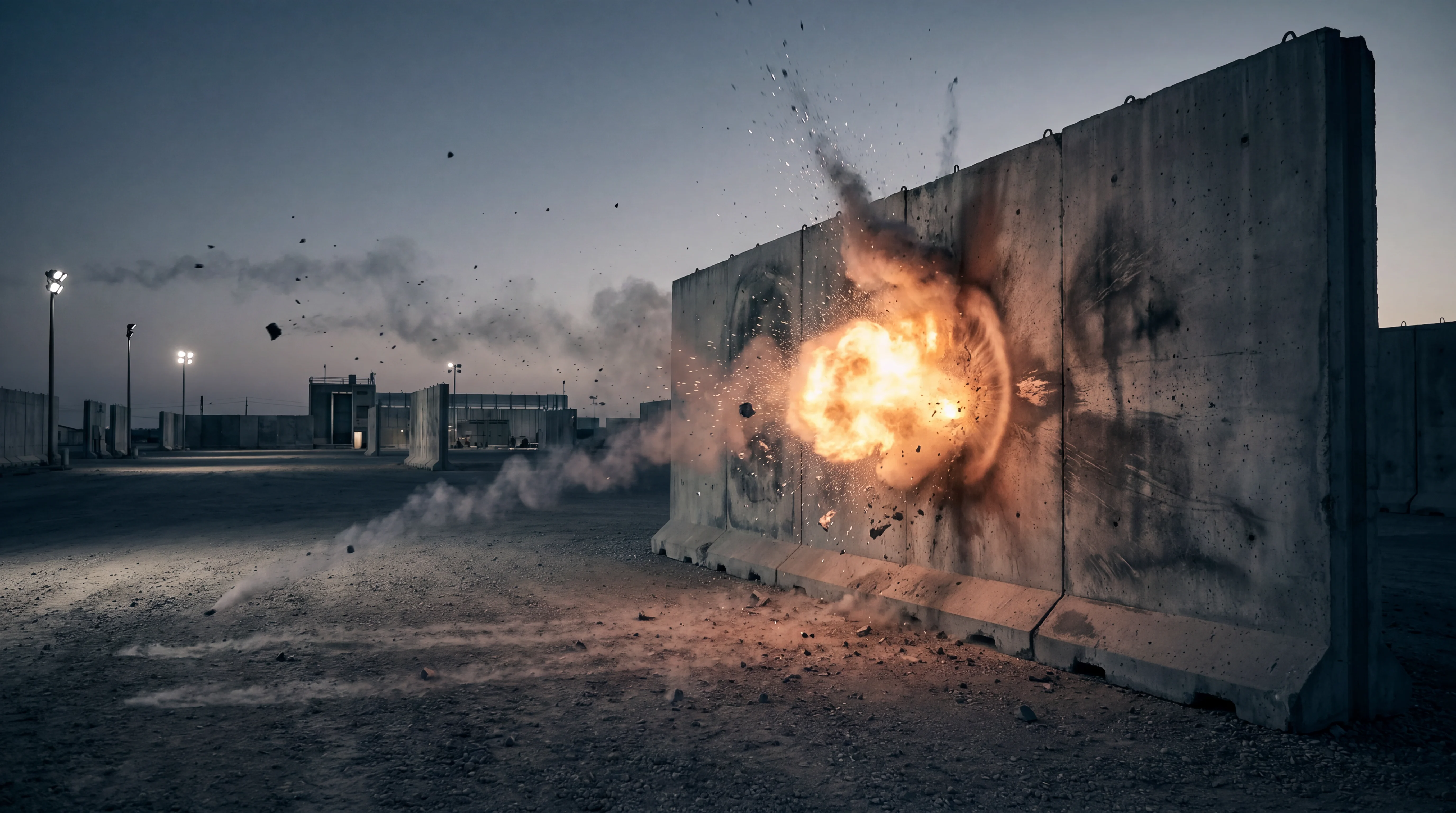

Hi2One is a polyurea-based coating system for reducing fragment release from structures exposed to explosions. It can be applied to existing rooms and protective structures. The substrate, layer build-up and required evidence are defined for the protection case.
Technical project brief
The protection case needs a clear description of the surface and its boundaries.
Technical project brief
The protection case needs a clear description of the surface and its boundaries.
Protection principle / 01
The coating is designed to hold detached material within a flexible protective layer. This addresses a specific hazard: fragments released from the structure.
Hi2One provides the coating basis. Reinforcement can form part of the specified layer build-up.
Retrofitting allows the protection concept to be considered for rooms already in use.
Coating thickness alone does not define protection performance. Assess the complete substrate and coating configuration.
Application scope / 03
The intended use determines the surfaces, boundaries and interfaces to include in the project.
Applications include shelters, bunkers and high-security rooms. Define the surfaces to be treated and their current condition.
Coordinate the coating area with adjacent structures, openings and the building's protection concept.
Protective walls and personnel containers can also be considered. Mounting and structural boundaries remain part of the assessment.
We assess the wall, coating, connections and defined blast loading together. The protective performance must be established for this specific configuration.
Alongside coating thickness, we consider the substrate, layer build-up, any required reinforcement and the relevant test evidence.
Yes. Hi2One can be retrofitted in existing rooms. We assess surface condition, access and structural connections before the work.
We agree specific details for doors, penetrations, joints and transitions. Please include these areas in the protection brief.
The reinforcement forms part of the specified system build-up where needed. It is not selected independently of the protection case.
State the applicable specification, configuration to be assessed and acceptance criteria. We clarify the required documentation for that scope.
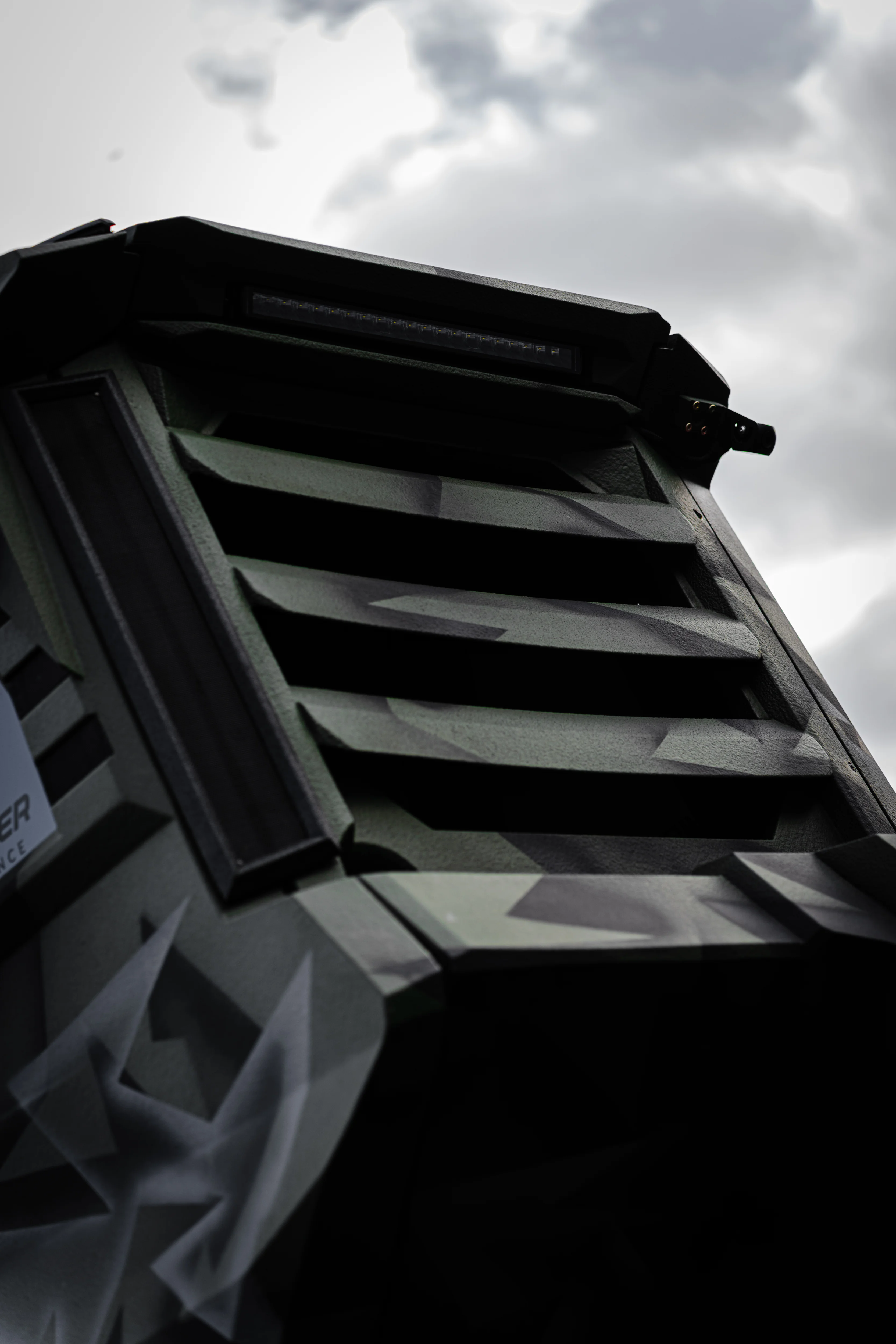
Your next step / Explosion protection
Describe the structure, loading scenario and required evidence. Our team can discuss the project scope against these requirements.
Discuss your application ↗Include the information already available.
Drawings, dimensions and the existing material.
Expected loading scenario and the required protection objective.
Applicable specification, acceptance evidence and target date.
Related services

01 / Protection
Vehicle modifications and lightweight protection structures tailored to the task and the platform.
Explore service

02 / Engineering
Carbon composite engineering for military applications where weight, strength and the available installation space have to work together.
Explore service
03 / Engineering
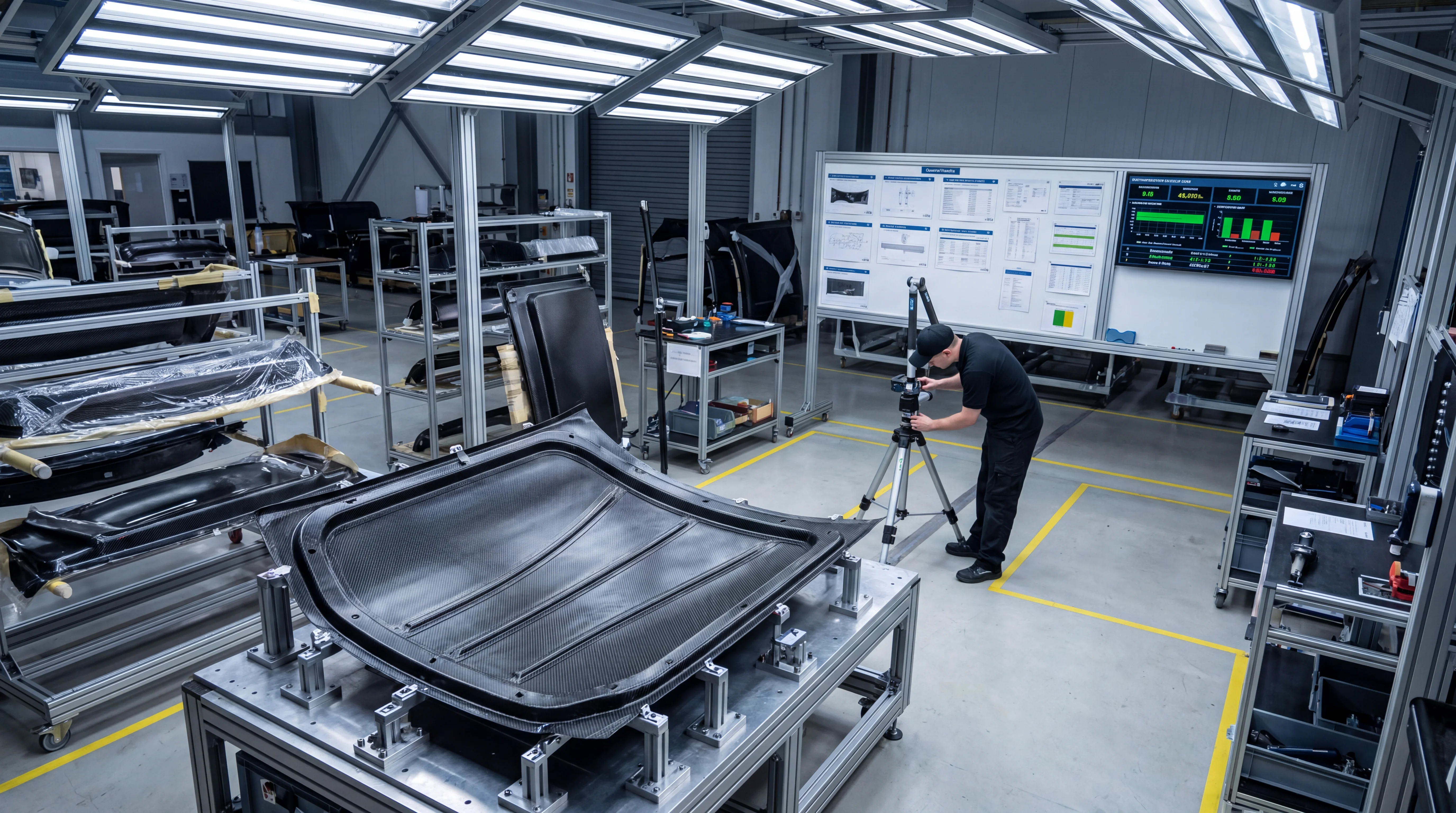
Lightweight composite components, assembly and surface finishing within a connected manufacturing service.
Explore service